
SALGA urges political maturity to build stable municipal councils
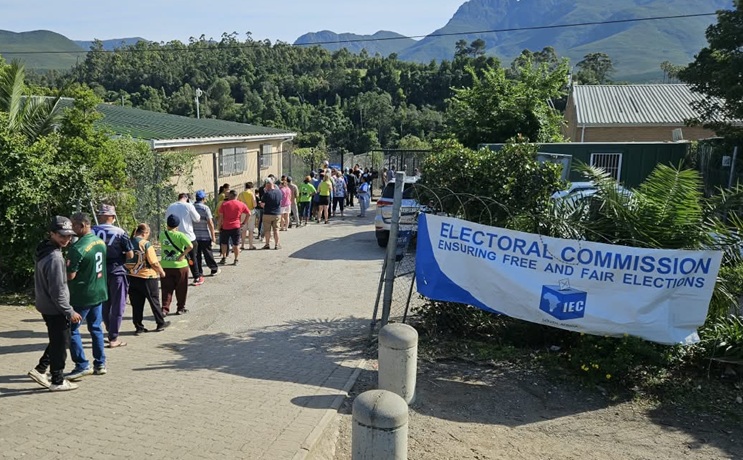
The South African Local Government Association (SALGA) has commended the Electoral Commission (IEC) for the successful running of the 2026 Local Government Elections.
X | @GovernmentZA | #LGE2026 | SALGA congratulates the IEC on the successful administration of the 2026 Local Government Elections and commends millions of South Africans for exercising their democratic right to vote.
SALGA says the focus must now shift from the ballot box to building stable, capable and accountable municipal councils.
The association has urged parties in hung councils to put community interests first and avoid arrangements that cause instability.
SALGA’s national spokesperson Motalatale Modiba says, “In our coalition framework, we’ve called for municipality specific and publicly available coalition agreements that covers the programme of government, the decision making issues, and also the district resolution and standards of conduct for the coalition partners.
“We also supported legislative reform, to make coalition arrangements more structured and enforceable. At the moment the coalition bill is before parliament- hopefully it will get passed through parliamentary processes- then that will become law, but in the absence of that law we have guidelines and frameworks that are there for political parties,” Modiba explains.
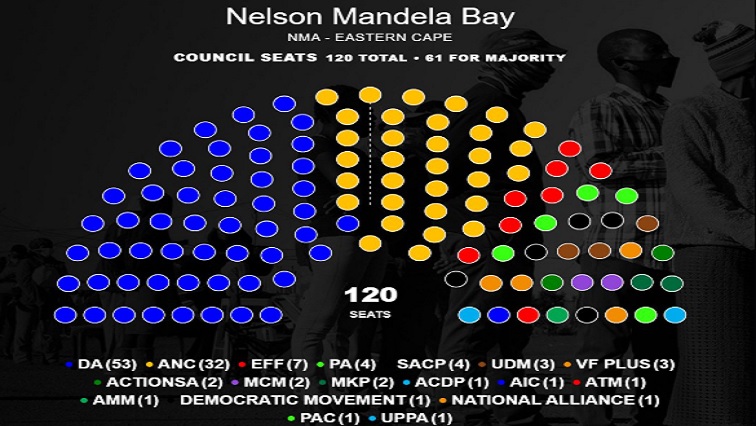
Around 137 councils are hung following the IEC’s declaration of the 2026 local government election results.
According to the Constitution, councils must be established to pave the way to elect municipal leadership which include mayors, speakers and office bearers within 14 days of the IEC’s declaration of the results.
‘Put communities first’
The association has urged parties in hung councils to put community interests first and avoid arrangements that cause instability.
Modiba explains: “In our coalition framework, we’ve called for municipality specific and publicly available coalition agreements that covers the programme of government, the decision making issues, and also the district resolution and standards of conduct for the coalition partners. We also supported legislative reform, to make coalition arrangements more structured and enforceable. At the moment the coalition bill is before parliament- hopefully it will get passed through parliamentary processes- then that will become law, but in the absence of that law we have guidelines and frameworks that are there for political parties.”
VIDEO | LGE 2026 | SALGA’s Bheke Stofile on the role of municipalities