
DA leads NMB election results; requires coalition partners to govern
The 2026 election results have shifted the political landscape in the Nelson Mandela Bay Metro.
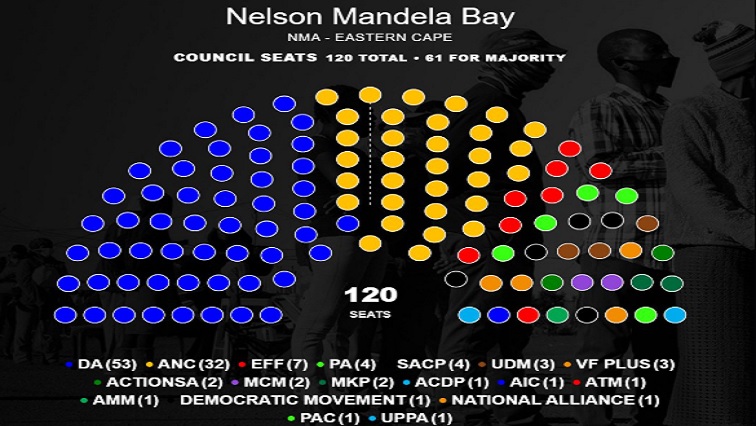
The DA emerged as the biggest party with 44%, while the ANC dropped to just over 25%.
The ANC, meanwhile, suffered a major setback, securing 32 seats, all through ward victories, with no proportional representation seats allocated to the party.
Despite its victory, the DA did not secure an outright majority; it will need coalition partners to govern the 120-seat council. The challenge now is to form a stable government.
Residents will be looking for improved service delivery, better infrastructure and accountability.
Political analyst Professor Ntsikelelo Breakfast says the results reflect changing voter expectations.
“I think the voters have been getting a raw deal, we have had a problem of a shortage of water, power supply, those are the things that led to people not voting for the ANC and voting for the DA and the interesting thing is that they also received votes from black townships because of the slow pace of service delivery but if the DA does well and services well and sundry across the racial divide then it stands a chance of doing better in the upcoming general elections of 2029.”
X | @SABCNews | The DA has won 53 of the 120 seats in the Nelson Mandela Bay metro, followed by the ANC with 32, while the EFF retains its position as the third-largest party with seven seats. The provisional results mark a shift from the previous local government elections, when the ANC and DA each secured 48 seats in the metro. The SACP, contesting separately for the first time in the metro, has secured four seats, matching the PA. Other parties securing representation include the FF+ and UDM with three seats each. DA mayoral candidate Retief Odendaal says they will try to put a stable coalition together. #SABCNews #LGE2026 #LocalElections #IEC #ROC #fyp #nelsonmandelabay
— SABC News (@SABCNews) November 7, 2026
VIDEO | LGE 2026 | Historic blow for ANC as DA triumphs in NMB |
-Reporter: Nandipha Plaatjie