
COGTA issues coalition guidelines following LGE 2026
The Department of Cooperative Governance and Traditional Affairs has issued new coalition guidelines to ensure stable coalitions across the country’s municipalities.
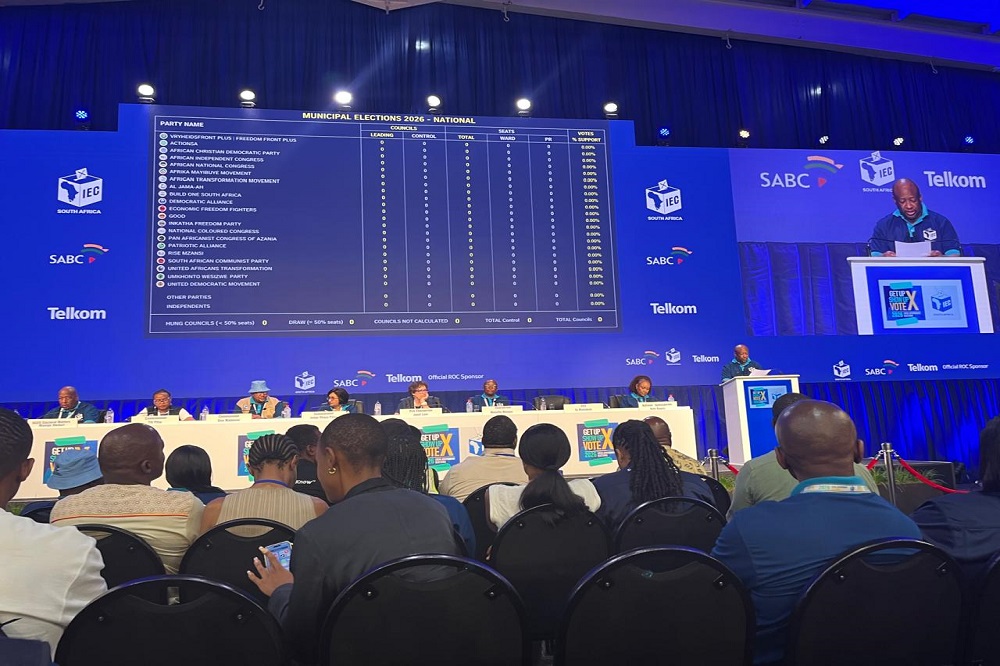
Following the gazetting of the local government election results on Wednesday, municipalities have 14 days to constitute their councils.
Around 138 metropolitan and local municipalities, representing about 65% of councils, did not produce an outright majority for a single political party. These municipalities will therefore require coalition arrangements, minority governments or other forms of cooperative governance.
COGTA spokesperson Pearl Maseko-Binqose says, “The guidelines provide practical guidance to political parties and municipalities on managing coalition arrangements, resolving disputes, and ensuring political stability whilst protecting municipal administration and service delivery.”
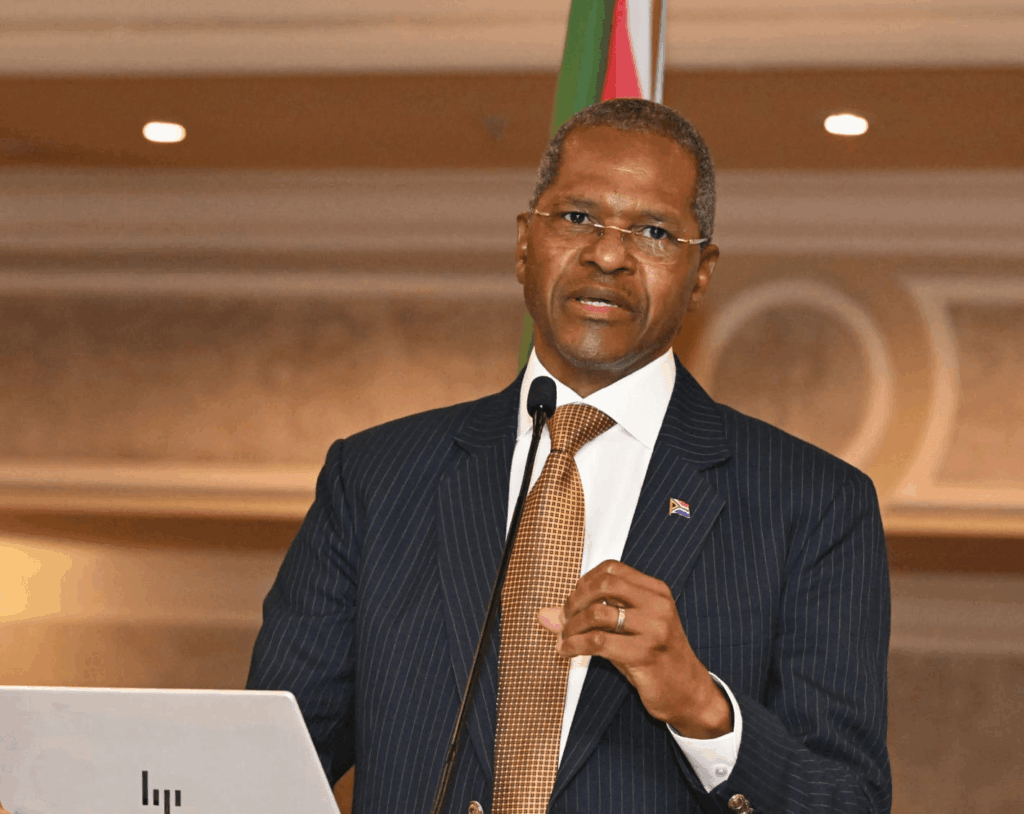
“Minister (Velenkosini) Hlabisa says coalition negotiations must not delay the Constitution of municipal councils or disrupt essential services. He calls on all provincial governments to support municipalities in implementing the guidelines and ensuring compliance with legislative requirements,” Maseko-Binqose adds.
VIDEO | Parties continue negotiating coalition deals:
In a statement, Cooperative Governance and Traditional Affairs Minister Velenkosini Hlabisa says the Guidelines for Stable Coalitions in Local Government are intended to assist municipalities in managing coalition governance, strengthening institutional stability and ensuring that political transitions do not disrupt service delivery.
The guidelines follow the local government elections held on 4 November 2026, which confirmed that coalition governance is now a significant feature of South Africa’s local government landscape.
Hlabisa says the increasing prevalence of coalition governance requires municipalities and provincial governments to be adequately equipped to manage these arrangements in a manner that promotes stability, accountability and effective service delivery.
“Coalition governance is a legitimate feature of our democratic system. However, our experience has shown that prolonged political instability, frequent changes in municipal leadership and delays in decision-making can weaken municipal institutions, disrupt administration and ultimately compromise service delivery. The people who suffer most from such instability are the residents who depend on municipalities for essential services. These Guidelines are intended to assist municipalities and political parties to navigate coalition arrangements responsibly, while keeping the interests of communities and the effective functioning of municipalities at the centre of governance,” adds Hlabisa.
The guidelines cover mechanisms for political collaboration, the development of coalition agreements, applicable legislative requirements, dispute resolution and measures to safeguard administrative continuity.
VIDEO | The search for political stability: