
OPINION | Voting is not a favour, it’s a right that shapes the future
author
The views expressed in this opinion article are those of the author and do not necessarily reflect the views of SABC News.
By Dr Namane Dickson Masemola
Former President Rolihlahla Nelson Mandela: “Your vote is your voice. Your vote is your power.”
South Africa’s democracy is one of our greatest national achievements that was ushered in through a tedious and protracted struggle for liberation and freedom.
It was won through immense sacrifice, courage and determination by generations of men and women who believed in a free, just and democratic society.
In fact, it came about as a result of highly conscious South Africans who believed in a united, non-racial, non-sexist, democratic and prosperous society, human rights, social justice and throughout the years of struggle pursued these goals without failure.
Attainment of democracy brought universal suffrage after centuries and decades of denial by the colonial and apartheid governments, and hence we have a solemn responsibility never to take this democracy for granted.
We all have a duty to strengthen our democracy by exercising our constitutional right to vote.
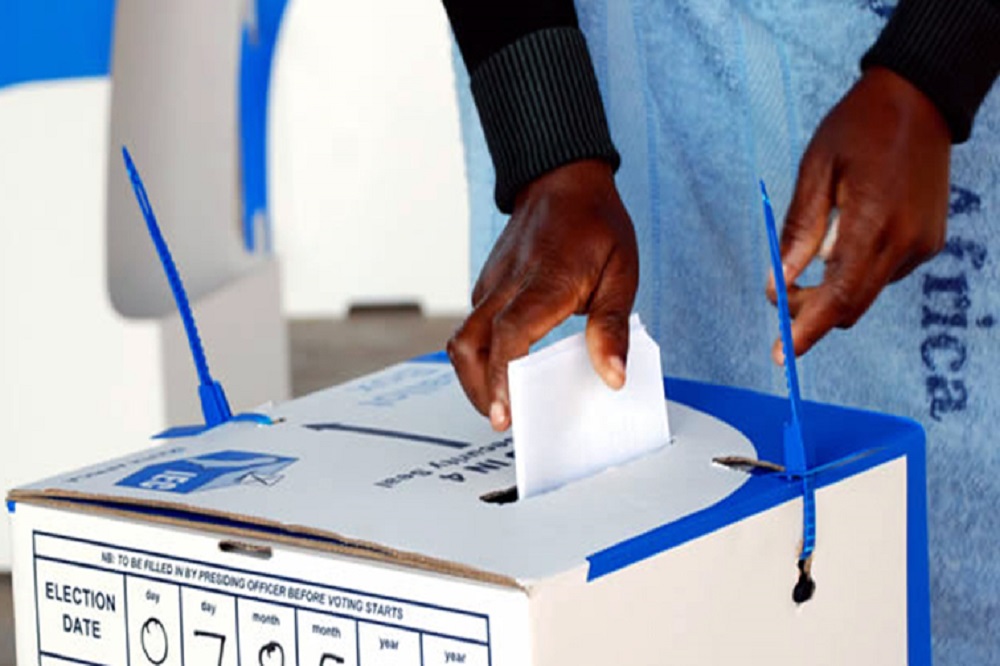
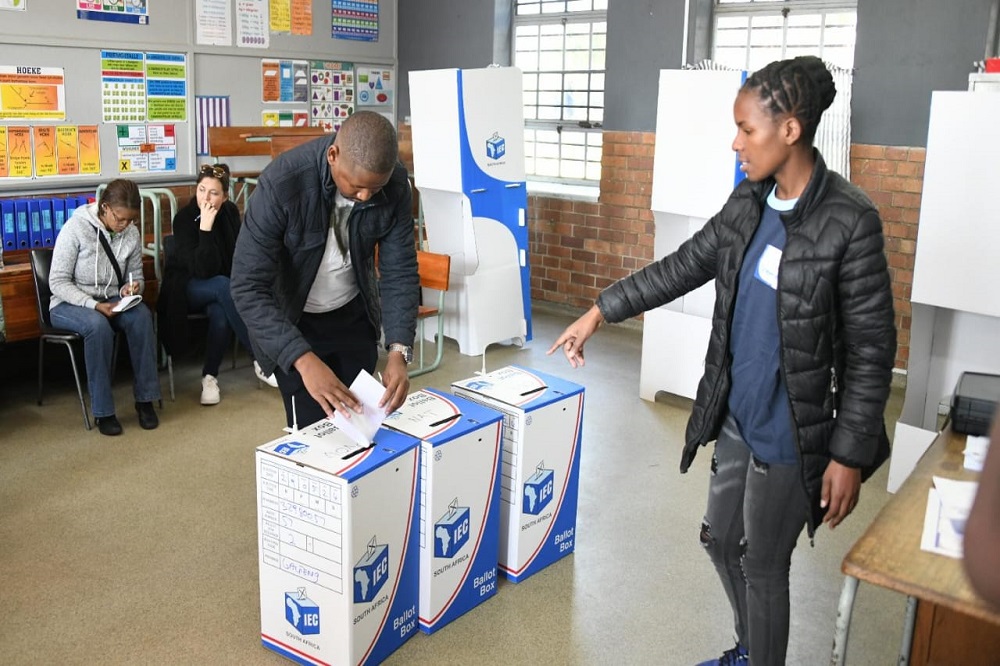
Every five years, South Africans go to the polls and use the ballot as a peaceful yet powerful instrument for democratic change and deepening of the democratic project in our constitutional democracy.
The right to vote is not a favour bestowed by government but a fundamental human right and a civic responsibility enshrined in our Constitution.
It allows every eligible citizen to influence how their communities, municipalities and country are governed.
However, from the previous municipal, national and provincial elections since 2016, it has become clear that voter turnout has decreased, thus placing many potential voters out of the equation with little or no impact on the electoral processes of the country.
A matter of concern which needs the country to be attended to, given the constitutional expression that there is no government that can claim authority unless it is based on the will of the people and therefore the need for strong civic consciousness in this regard.
As President Nelson Mandela reminded us, “It is in your hands.” Those words remain as relevant today as they were during the democratic transition from 1994, and as such our response to the ever-changing circumstances requires suitable mobilisation and sharpening of elements of democratic transformation to eliminate the main antagonisms for unavoidable realisation of the primary objectives of the National Democratic Revolution. Primarily, they are a high-pitched call and suasion to every South African to cast their ballot in the Local Government Elections (LGEs) scheduled for 4 November 2026.
President Mandela and countless others sacrificed enormously to secure the democratic breakthrough of 1994.
Before that, millions of South Africans were on the margins of governance and leadership of the country, and many were imprisoned, tortured, exiled or lost their lives in the struggle for freedom.
Because of their sacrifices and onerous commitments, the shackles of repressive forces were broken, and every eligible South African today has the right to vote and the power to help determine the future of our democratic nation.
The Bill of Rights guarantees every citizen aged 18 years and older the right to vote. Yet many still ask whether voting truly makes a difference. The answer is an unequivocal yes.
Voting gives every eligible South African – young or old, regardless of one’s socio-economic status – the opportunity to choose the political party and leaders they believe are best suited to govern. It ensures that every citizen has an equal voice in determining the direction of our country, and without casting a vote, citizens deny themselves this right and invariably outsource the most essential national duty.
Sadly, in society there are disillusioned citizens who have withdrawn from participating in the electoral processes. They cite legitimate concerns such as unemployment, crime, performance evaluation, challenges of service delivery and unfulfilled promises made during the campaigns.
These frustrations and discontent are real. However, choosing not to vote does not solve these challenges. Instead, it weakens the very mechanism through which citizens can demand better leadership, better governance and better service delivery and development.
In this regard, there are innumerable possibilities and realities that get negatively impacted by subjective contextual factors, as opposed to objective conditions. But a non-voting response does not represent or enable reasonable progress. Encouragingly, in this regard, voter abstention is a fluid phenomenon and does not necessarily represent or mean utter disengagement. Therefore, we remain committed to addressing citizens’ concerns and, together with them, taking this country to greater heights.
Your vote influences the direction of government and the quality of services that affect your daily life – water, electricity, roads, healthcare, education, public safety and economic opportunities, etc. While noting the dialectical tension between systemic critique, withholding of consent and systemic legitimacy, voting remains the most critical and powerful democratic tool available to citizens to uphold democratic leadership, shape public policy and ensure incremental change in the living conditions of the people.
Those who choose not to participate surrender their voice and diminish their ability to influence the future. In doing so, they weaken one of our most cherished democratic ideals: building a prosperous, inclusive and stable South Africa. As such, others proceed to decide their future by voting without their involvement and participation.
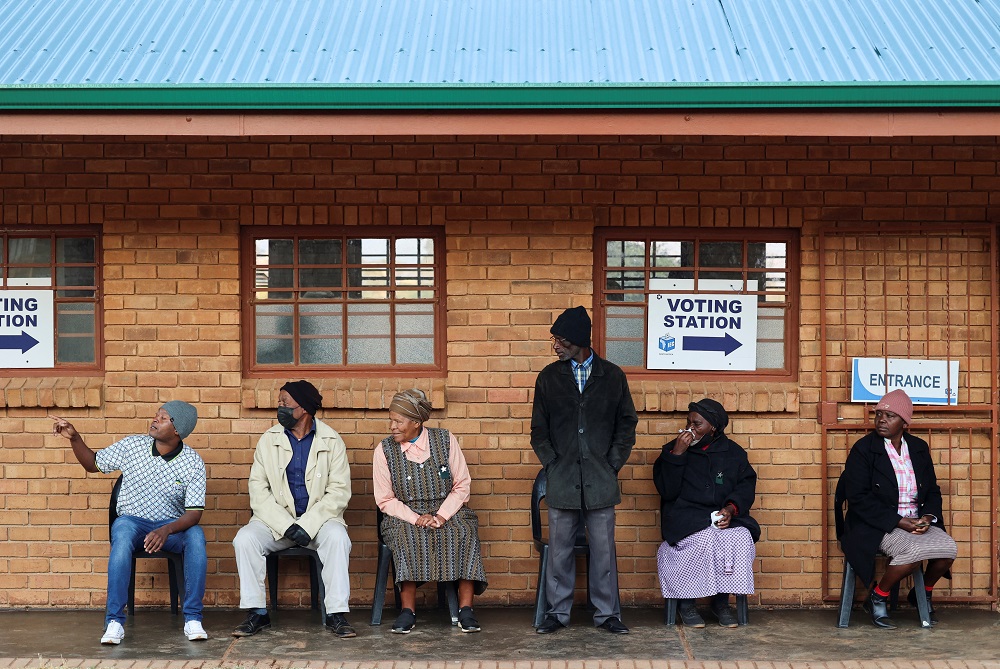
With the elections on the horizon, South Africans are being encouraged to take active part in the polls. The Electoral Commission of South Africa’s (IEC) campaign slogan, “Get Up, Show Up, Vote.”, is a powerful call to every eligible registered citizen to participate in the upcoming Local Government Elections – 04 November 2026.
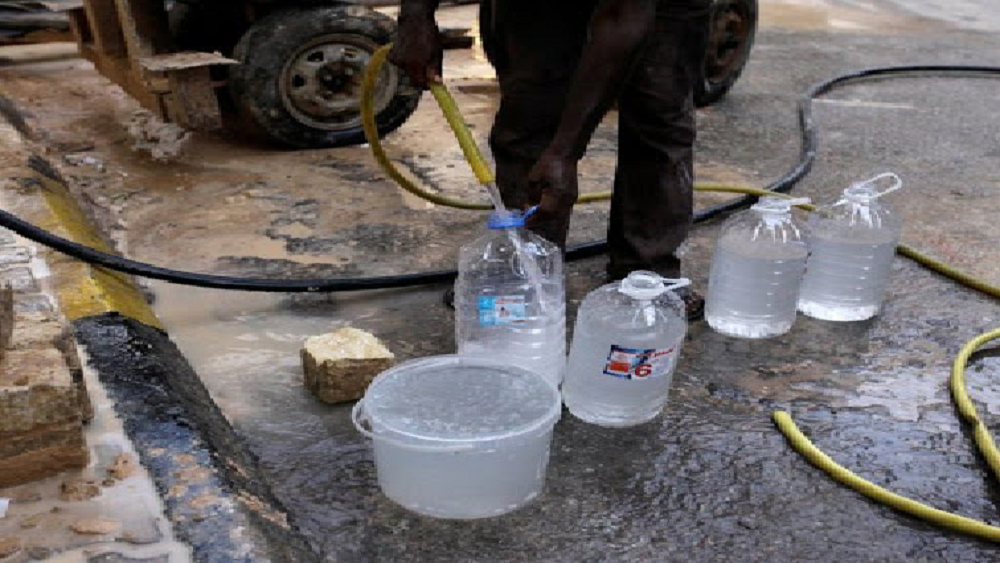
Local government elections are particularly important because municipalities are responsible for many of the services that affect people’s everyday lives. The issues communities raise most frequently – water, sanitation, refuse removal, local roads and community safety – are directly influenced by local government.
Choosing not to vote means surrendering your opportunity to influence these outcomes. Electoral democracy is strengthened when citizens participate and gets weakened when they withdraw. Every election provides an opportunity to renew our democracy and reaffirm a simple constitutional principle: government derives its authority from the will of the people.
When voter turnout declines, accountability weakens and unexpected leadership is more likely to endure. South Africa’s future should not be defined by disappointment or apathy. Instead, it should be driven by resilient and active citizenship, hope and a shared commitment to building stronger communities.
The Ministry of Cooperative Governance and Traditional Affairs has been working closely with key institutions, including the IEC, the Municipal Demarcation Board, the National House of Traditional and Khoi-San Leaders and other stakeholders, to ensure that the 2026 LGEs are free, fair and credible.
An Inter-Ministerial Committee established to oversee preparations is ensuring that all constitutional and legislative requirements are fully met. This includes finalising ward boundaries, determining the number of councillors for each municipality and ensuring that elections are conducted within the constitutional timeframe. These preparations are designed to guarantee fair representation, protect the equality of every vote and uphold the fundamental democratic principle that government must reflect the will of the people.
We call upon all eligible registered South Africans, particularly the youth, to make your voice heard. Your vote is your powerful voice that can contribute to building a better South Africa. Exercise your constitutional right by voting on 4 November 2026. Every vote counts and every voter matters.
As a caring government, we wish to assure all South Africans that we are fully prepared for the 2026 Local Government Elections.
Dr Namane Dickson Masemola: Deputy Minister of Cooperative Governance and Traditional Affairs.