
Opinion | Your vote, your voice: Why it matters
author

The views expressed in this opinion article are those of the author and do not necessarily reflect the views of SABC News.
By Dr Shadi Maganoe
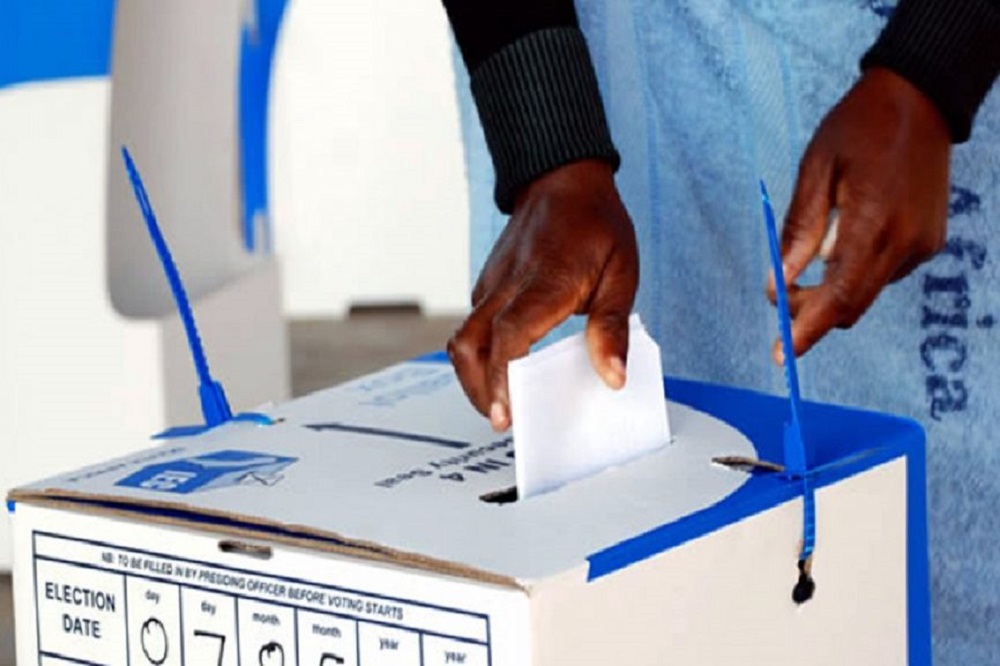
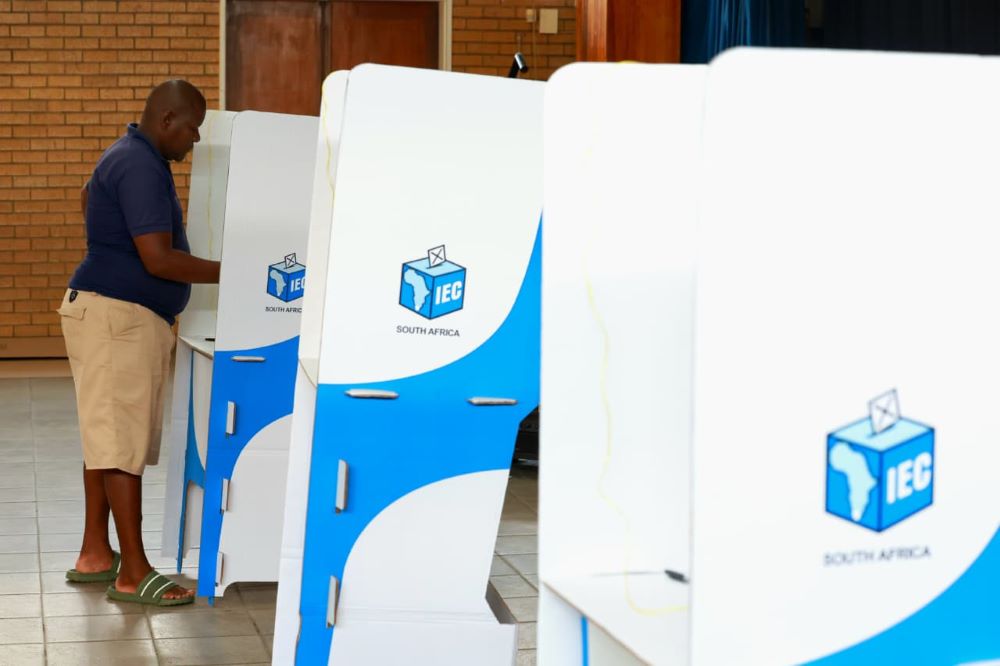
Voting is one of the most direct ways in which citizens exercise their power in a democracy. It allows people to choose their representatives, influence the direction of government and hold those entrusted with public power accountable.
Yet, for many South Africans, disappointment with political leadership, unemployment, corruption and failing public services have raised questions about whether voting makes a meaningful difference.
These frustrations are understandable. However, they make participation in elections more important, not less.
South Africa’s constitutional democracy was founded on the rejection of a system that excluded the majority of the population from political participation. The achievement of universal adult suffrage in 1994 was more than a change in government. It affirmed the principle of political equality. Eligible citizens would have an equal opportunity to participate in determining who governs the country: “we the people”. Section 19 of the Constitution protects every citizen’s right to vote in free, fair and regular elections. Voting is therefore more than a procedural feature of elections. It is an expression of citizenship and the principle that public power must be exercised through institutions accountable to the people.
Elections are a mechanism for accountability.
Democracy does not end when a government is elected. Elections allow citizens to assess the performance of political representatives and decide whether they deserve another term in office.
Parliament, provincial legislatures and municipal councils have oversight responsibilities between elections. However, voting provides an additional mechanism through which citizens can respond to how their representatives have exercised public power.
Where representatives fail to address community needs, misuse public resources or disregard their obligations, voters can withdraw their support and hold them accountable by not voting for them. Those who perform effectively can earn continued public confidence.
Elections alone cannot eliminate corruption or guarantee an effective government. However, they provide citizens with a constitutionally protected means of influencing political leadership and imposing electoral consequences. Without meaningful participation, that mechanism becomes weaker.
Does one vote really make a difference?
A common reason for not voting is the belief that one vote cannot change anything. Faced with the country’s political and economic challenges, an individual voter may understandably feel that their contribution is insignificant.
But elections are determined by the collective choices of individual voters. Every ballot contributes to the distribution of political support and can influence which parties or candidates gain representation.
Voting also communicates public priorities. The choices citizens make reveal which issues matter to them and whether political leadership enjoys their confidence. Elections are therefore an important means through which citizens can hold those in power accountable.
By contrast, withdrawing from electoral participation does not necessarily bring about political change. It means surrendering an opportunity to influence the outcome to those who do vote.
Not voting may be an expression of dissatisfaction, but it does not automatically compel political leaders to improve their conduct. Citizens can demand better leadership through elections, public debate, petitions, peaceful protest and other forms of lawful participation.
Why local elections matter
The importance of voting is particularly evident at the local level. Municipal government affects people’s daily lives through services such as water, sanitation, refuse removal, roads and municipal planning.
These are not abstract political issues. They affect households, businesses and entire communities.
The Constitution’s provisions on local government expressly identify democratic and accountable government, sustainable service delivery and community involvement as objectives of municipalities.
Local elections give voters an opportunity to assess municipal leadership, consider alternatives and communicate their priorities through their electoral choices. Voting does not guarantee that a municipality will function effectively, but it provides a means of influencing who leads it.
That influence must continue beyond election day through public scrutiny, community engagement and demands for transparency.
Democracy requires participation
Democracy does not guarantee good leadership; it gives citizens the power to demand it. Disappointment with political leadership is understandable, but disengagement does not automatically bring change. Voting allows citizens to influence who governs, hold political representatives accountable and shape their communities’ futures.
Your vote may not solve every problem, but choosing not to use it means surrendering an opportunity to be part of the solution!
Dr Shadi Maganoe is a Senior Lecturer at the School of Law at Wits University