
Disinformation threatens trust in election results: Researcher

Research has shown that disinformation threatens trust in election results, and not just voter choices.
This is according to Research Coordinator at the Centre for Research on Democracy, Kira Alberts.
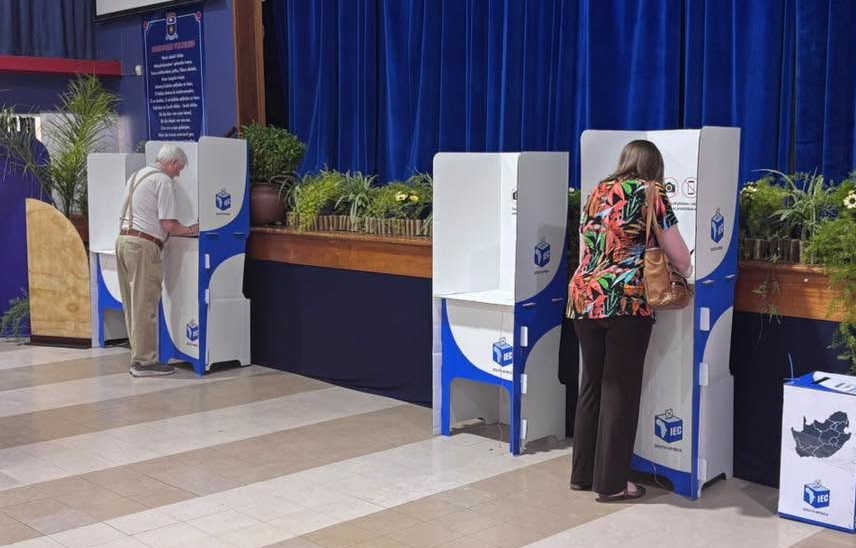
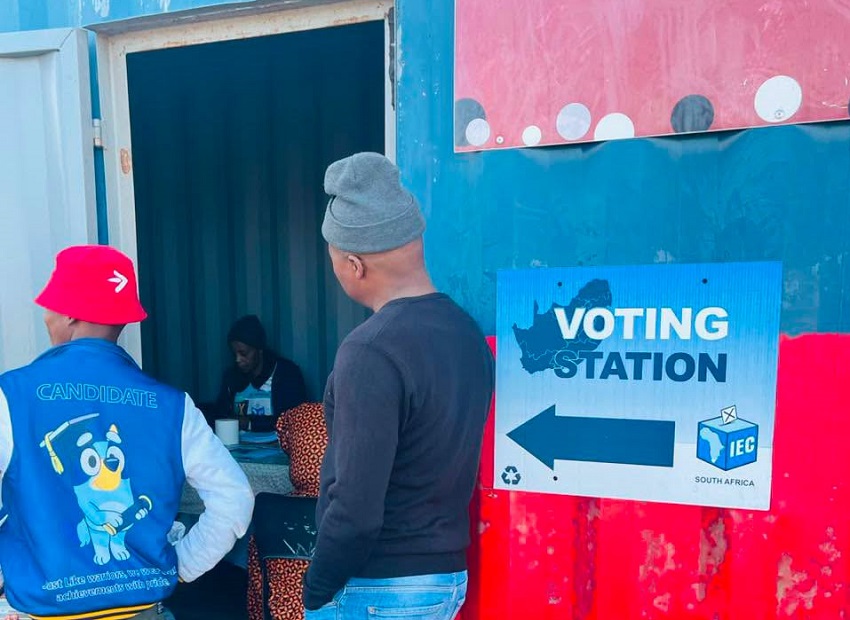
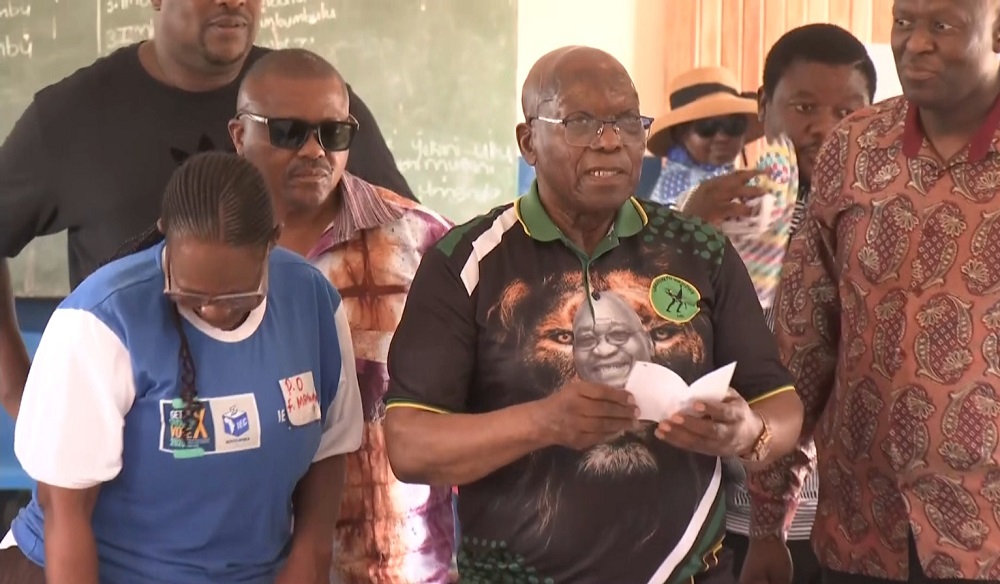
Speaking to SABC News, as millions of South Africans headed to the different voting stations to cast their votes in the local government elections, Alberts says that while disinformation seldom influences voters on which political party to vote for, it could discourage people from voting and have a bearing on whether people accept the results.
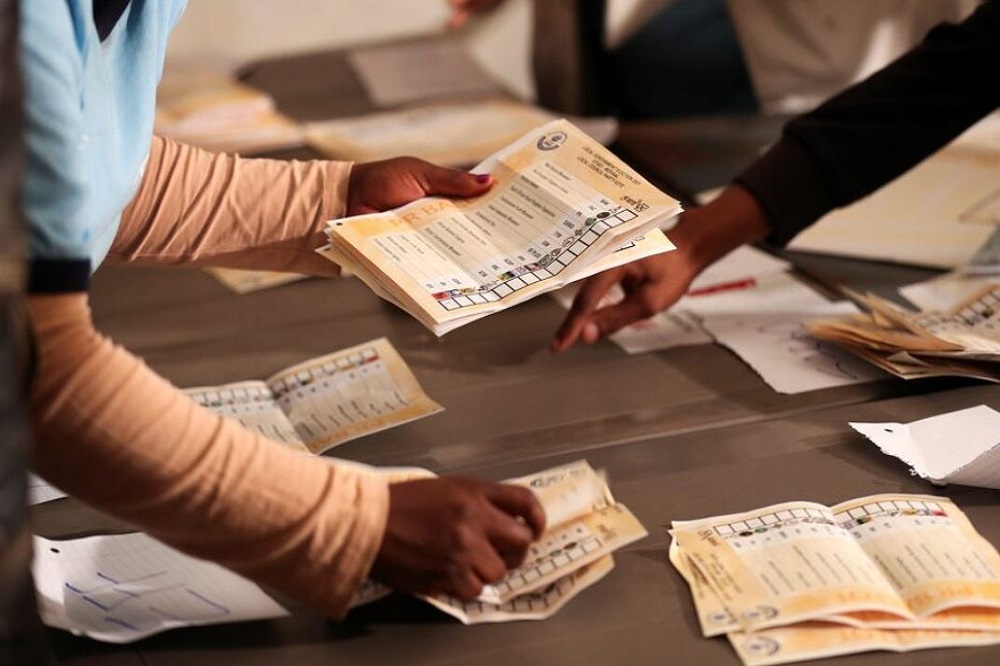
“Research shows us that disinformation rarely changes how we vote, or which party we vote for. But what it does change is whether we vote and then what happens after the vote has happened. So, do we accept the results? In this election cycle, we’ve seen that the IEC has become one of the main targets of disinformation. So, they’re trying to discredit the vote, discredit the institution, which might lead to unrest after the election has taken place, as people will be less likely to accept the results and the credibility of the IEC,” she says.
With voter turnout consistently on the decline since 1994 (86.87%) down to 45,86% in the 2021 local government elections, Alberts believes the impact of disinformation is not something to take lightly.
She says “robust and even harsh campaigning” by political parties on social media is good, and demonstrates what democracy is about. However, she has also cautioned against “deliberate manipulation” in the messaging.
“The problem starts to arise when this communication shifts from persuasion to a very deliberate manipulation. So, it weaponises communication when it starts to rely on misleading narratives, manipulated images, fabricated claims, or even coordinated networks of accounts that try to manufacture the appearance of public support or opposition that does not really exist. So, there’s really a fine line. We want to see this contestation, but we need to be very careful that it doesn’t start to tread into that territory of being overtly false information,” says Alberts.
Curbing the spread of false information is important, she argues, particularly because only about 50% of South African voters are confident they can distinguish between real and fake news and because only 18% of internet or social media users say they verify information they encounter online.
“That is very low. For some people, it does take a lot of effort to go to a different tab and type in and make sure that what you’re receiving is correct. So, I don’t blame them. And then of course, besides the users, the platforms do value or prioritise unbalanced information because it rewards information that is divisive and gets more attention, gets more views,” she argues.
Voting is continuing smoothly in different parts of the country and is expected to continue until 21h00.
Disinformation and electoral integrity: Researcher Kira Alberts unpacks the issue