
Opinion: South Africa’s Local Government Elections: 3 decisive issues
author
The views expressed in this opinion article are those of the author and do not necessarily reflect the views of SABC News.
By Dr Tendai Shephard Mbanje
South Africa approaches the 4 November local government elections carrying a long list of grievances: unemployment above 30%, an unstable coalition era, decaying infrastructure and a public mood that swings between fatigue and fury.
Any of these could fill a manifesto. But three issues stand out as central to how municipal power will be allocated: the unresolved question of irregular migration and undocumented foreign nationals, the revelations of the Madlanga Commission, and the stubborn failure of service delivery, now inseparable from whether citizens, especially women, are safe in their own neighbourhoods.
Migration: a national failure fought out in the wards
Few issues have been as combustible in 2026. Anti-illegal immigration movements such as March and March set an unofficial 30 June deadline for undocumented foreigners to leave. By the end of June, it was reported that there were more than 25 000 repatriations and four deaths linked to anti-foreigner hostility; by mid-July, more than 53,000 people had been deported or repatriated in a single month. In Alexandra, protesters went door to door, handing suspected undocumented people to police. Such has been experienced across the country.
Then came the law. On 7 July the Constitutional Court ruled in Scalabrini Centre of Cape Town v Minister of Home Affairs that asylum seekers cannot be barred, detained or deported merely for procedural failings such as irregular entry or missed reporting deadlines. A Home Affairs directive of 28 September implementing the ruling saw refugee reception offices overwhelmed within days. On 8 October protests in Soweto and Durban turned violent, with at least 24 vehicles torched. The directive was withdrawn the next day.
Two facts matter for voters. First, the judgment confers no new rights: it guarantees access to an asylum process, not refugee status or residence, a point government had to repeat against a tide of disinformation. Second, the state’s handling, a directive issued by officials without political sign-off and then abandoned under pressure, revealed a government that neither prepared its own offices nor explained its legal obligations to citizens.
Immigration is a national competence, but anger lands locally: in informal trading, housing queues and clinic waiting rooms. Parties promising tough enforcement will find receptive audiences, and some will and are campaigning on scapegoating.
Voters may not have the capacity to interrogate whether such promises are lawful under the Constitution and the refugee treaties South Africa has ratified, and whether they address the real drivers of hardship, such as joblessness, collapsed municipal planning and unenforced labour laws, or simply redirect blame. Votes will be decided by the emotions.
Madlanga: a crisis of trust before the verdict
The Madlanga Commission, born of KwaZulu-Natal police commissioner Nhlanhla Mkhwanazi’s July 2025 allegations, has exposed how deeply criminal networks may have penetrated the justice system. It has since uncovered evidence of corruption, political interference, and organised crime links within police, intelligence, and prosecutorial structures.
For voters, the effect is less about any single name than about trust. Some citizens are shocked; many feel their long-held suspicions confirmed; others are simply angry. For the ANC, whose factional fault lines surfaced in testimony, the risk is punishment at the polls or, more likely, abstention by disillusioned supporters. Opposition parties will present themselves as the clean alternative, but voters who watched coalition councils churn through mayors in Johannesburg and Tshwane will be sceptical of everyone.
Timing compounds the problem. The interim findings of the commission remain confidential, and the final report is due on 25 January 2017, several weeks after the vote. Citizens will therefore vote on the strength of televised testimony rather than tested conclusions. That vacuum invites speculation and rewards whoever tells the most compelling story. The deeper question voters may take into the booth is not only who is corrupt, but whether municipal police, procurement systems and councillors answer to anyone at all.
Service delivery and safety: the old question, sharper
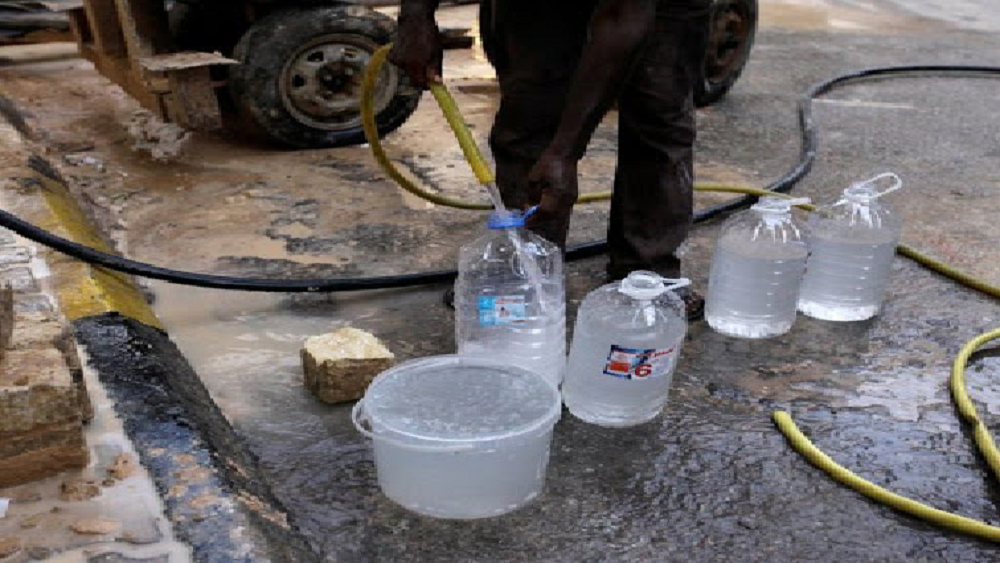
The most familiar issue remains the most decisive. In June, the Auditor-General reported that only 39 of 257 municipalities achieved clean audits for 2024-25, down from 41. None of the eight metros did, and the Free State and North West recorded none at all. Behind those figures are dry taps, sewage in the streets, potholes, unreliable electricity and uncollected refuse. In Johannesburg, Melville residents had gone without water for more than a fifth of the year (over 50 days) by mid-August, and residents elsewhere in the city openly questioned whom they had voted for.
Safety now belongs on that list. South Africa records more than 60 murders a day. Since July, the bodies of ten women have been found in Ekurhuleni, many partly clothed and some bearing signs of sexual assault. The national GBV Command Centre received 6,782 distress calls in the first sixteen days of September alone. Street lighting, effective metro policing, cleared open spaces and safe public transport are municipal responsibilities. When a woman cannot walk home safely, that is a local government failure as much as a policing one.
What will decide the vote?
These three issues feed one another. Service failures breed resentment that is easily redirected at foreigners; Madlanga’s revelations erode the trust needed to believe any party’s promise to fix. The likely results are low turnout, further fragmentation and more hung councils.
The responsible choice is to judge parties on credible, lawful and costed plans: for municipal finances, infrastructure maintenance, community safety and migration management that respects the Constitution. Anger is understandable. On 4 November, it must be turned into accountability, not abstention or scapegoating.
Dr Tendai Shephard Mbanje is a human rights, governance and elections expert. He writes in his personal capacity.