
OPINION:The establishment of coalitions in the age of the GNU
author
The views expressed in this opinion article are those of the author and do not necessarily reflect the views of SABC News.
by Dr Levy Ndou
South Africa is led by the Government of National Unity at national level. The GNU was established because the African National Congress (ANC) which has been getting most votes since 1994 failed to get the majority. When you do not have an outright majority during the elections, parties must come together and agree on the power sharing to form a government. Depending on the negotiations amongst political parties, a government is therefore established by the parties who agree to form a government, provided they end up making a majority. The same can be said with local government which has brought the establishment of coalitions at local government level. Since 2016 local government elections, the number of hung municipalities has grown, and coalition government is our new reality in the South African political landscape.
Expectations of the 2026 local government elections
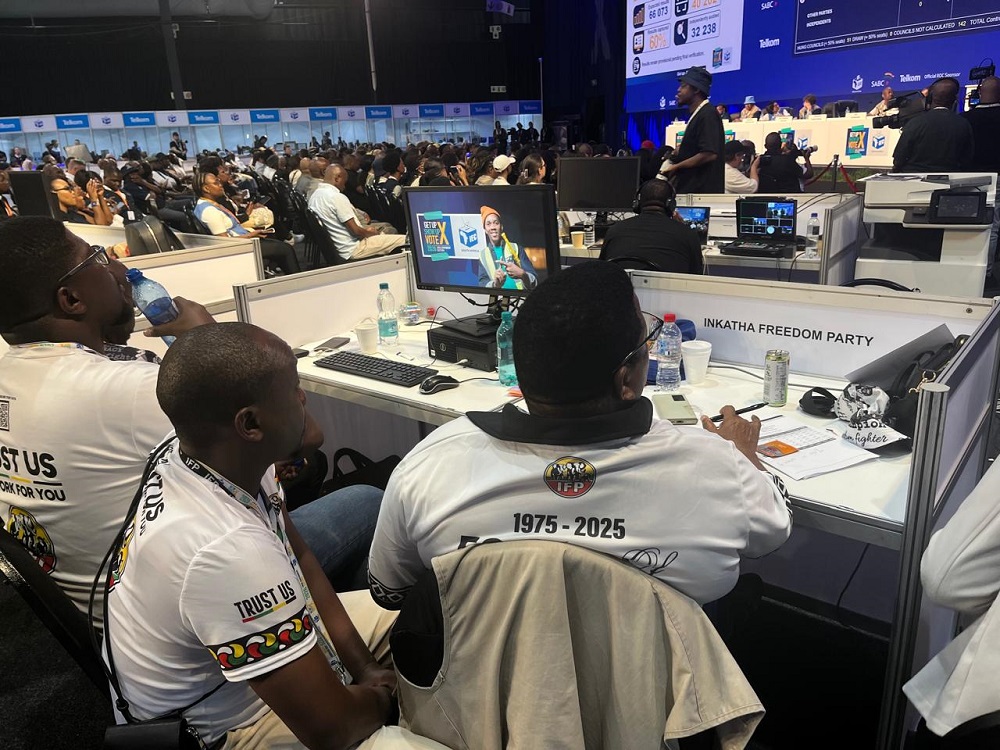
The 2026 local government elections will be contested by over 500 political parties including independent candidates. The city of Johannesburg has 75 parties contesting elections while the city of Tshwane has 79 parties. This is an indication that voters are spoiled for choice and there is a growing interest to participate in local government elections and make a difference. If all the necessary efforts are put in these elections by both the political parties and the independent candidates, coalitions could not be avoided. With so many political parties contesting, there is a huge possibility that the votes could spread across political parties. The spread of votes would create a scenario in which we could not get an outright winner. The elections trends in South African local government elections show that we are gradually shifting towards coalition governments in SA. The growth in coalition governments since 2016 is an indicator that 2026 local government elections will produce even more hang municipalities than we have.
The GNU factor
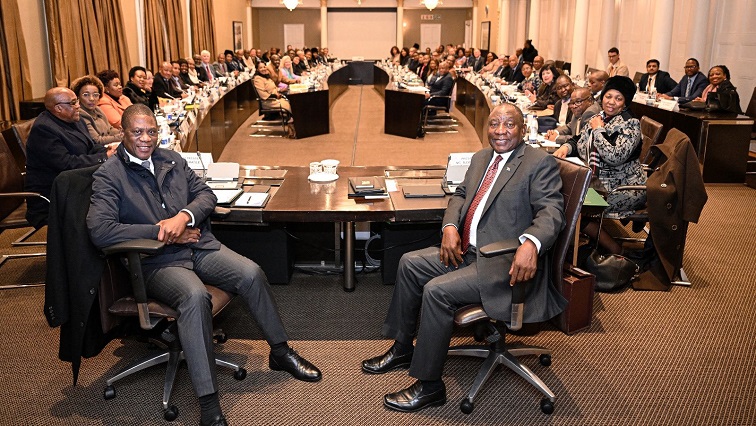
The 2024 elections brought the two biggest parties (ANC and DA) with the inclusion of other smaller parties agreeing to work together to form a government. Some argue that the GNU has created stability in governance and has accountability. It has proven that political parties irrespective of their differences can work together and bring stability. The GNU is a factor because even though political parties remain independent, they have been able to create stability in governance. There is a clear separation of government responsibilities and party responsibility and political parties in government can draw that line.
Governance stability
Political parties have gone through difficult experiences with coalition governments in most of the metros in South Africa. Voters are expecting political parties to have learnt from the past experiences and do things differently. At the centre of the establishment of coalition governments, Governance stability should be at the centre of the establishment of these coalitions. The experiences of some of the metros since 2016 can be avoided by paying a special focus on the issues of stability on governance. Rules should be established to focus mainly on the stability of coalition governments. Depending on the negotiations of the parties the GNU stability could influence some parties to adopt that model and maybe see the same parties working together. We should also consider the fact that the local councils are dynamic and the circumstances differ.
Making coalitions agreements transparent
Accountability happens well where there is transparency. Voters have been robbed about the details of the coalition agreements amongst political parties that are in a coalition government. The normal expectation by the citizens would be for political parties to make these coalition agreements transparent to the voters. That would make a voter to know and understand the basis of the establishment of the coalition agreement by the political parties.
Local government service delivery programme
Political parties campaign based on some issues or challenges that they see fit to be addressed. In a coalition the same political parties are expected to cooperate and create stability. The voter expectation is that the parties should develop a service delivery programme which should be agreed upon by all coalition partners. That should be a government programme which should be embraced by the council. The local government service delivery programme should be known by the voters as the beneficiaries of the government programmes. Having a known programme to the voters, it would be easy for the politicians to account. Parties are in government to serve and irrespective of the political party affiliation, they have the responsibility to serve all the citizens.
As indicated earlier, coalition governments are fluid and every environment could require its special attention. The challenges of the different municipalities are not the same and different approaches should be adopted. A coalition can work in another municipality and not work in the other. At the end of the day, citizens should get the services that they deserve.
Dr Levy Ndou is a political analyst