
We cannot keep buying our way out of a broken South Africa
author
The views expressed in this opinion article are those of the author and do not necessarily reflect the views of SABC News.
by Lutic Mosoane
On 4 November, South Africans will elect the councillors entrusted with governing our municipalities. Yet beyond the promises and political contestation lies an uncomfortable question: what responsibility do we carry for the dysfunction we have learned to tolerate?
For years, we have watched public institutions deteriorate and communities endure conditions that should shame a constitutional democracy. Yet many of us have become exceptionally good at finding private solutions to public problems, rather than demanding that the institutions responsible for those problems fulfil their mandate.
When public healthcare struggles, we purchase medical aid. When schools deteriorate, we move our children to private schools. When crime becomes unbearable, we hire private security and build higher walls. When electricity fails, we install solar panels. When taps run dry, we drill boreholes and buy storage tanks.
Protecting our families is necessary, often costly, and entirely understandable.
But somewhere along the way, we began confusing our ability to survive a broken system with evidence that the system still works.
We pay taxes to support public education, healthcare, infrastructure and safety, only to use what remains of our income to purchase private alternatives because we have lost confidence in the public ones.
The deeper cost is not financial. With every institution we abandon without demanding its restoration, we risk accepting that public services are for those who cannot afford anything better. Inequality ceases to be merely a difference in income; it begins to shape whose dignity deserves protection and whose suffering can be ignored.
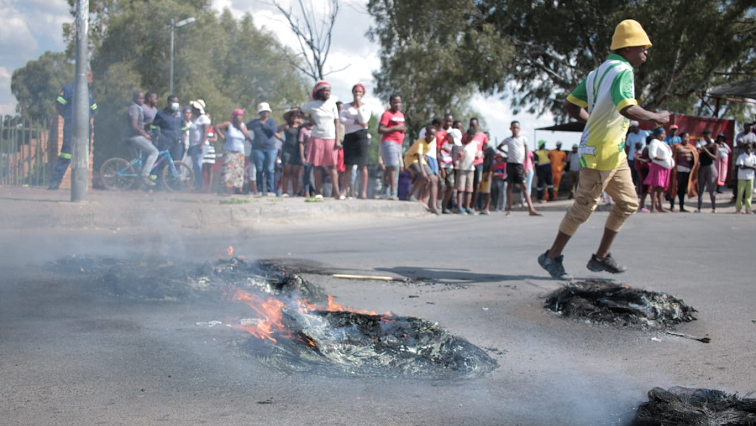
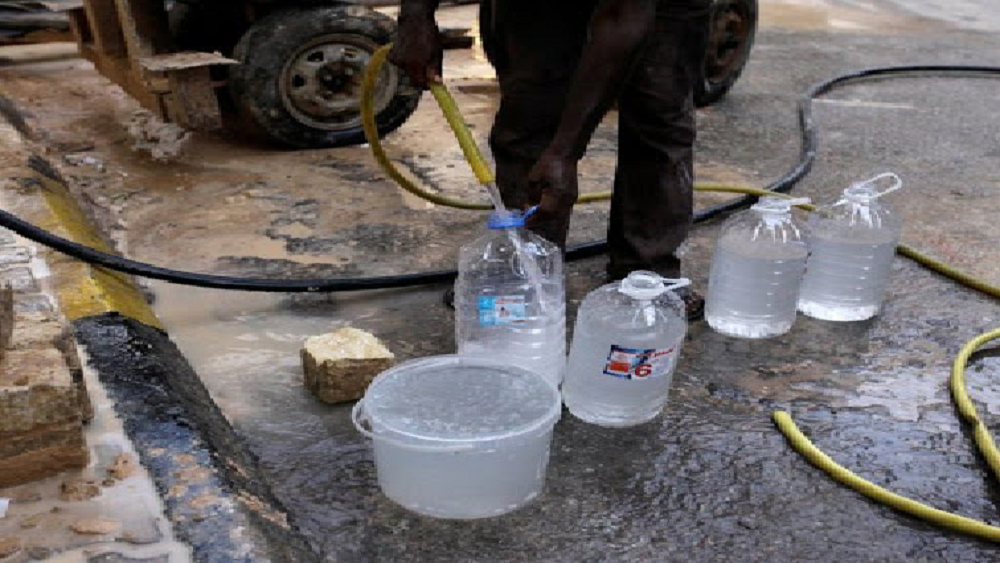
I grew up in a rural community, where the luxury of an alternative has never been available to everyone. When water stops flowing, many families cannot simply call a private supplier or drill a borehole. A mother who spends hours searching for water is not experiencing a minor inconvenience. She is carrying a burden that effective public institutions should have lifted from her. Her crisis predates the moment suburban households began experiencing similar failures.
The question is whether we care only when injustice reaches our own doorstep.
Statistics South Africa reports that only 15.5% of individuals had medical aid coverage in 2025. By the second quarter of 2026, official unemployment had reached 33.6%, leaving approximately 8.5 million people without work. Eighty20’s latest credit stress report found that 41.8% of credit-active South Africans were at least three months behind on one or more loans.
These numbers demand attention. They expose the limits of an economic arrangement in which households are increasingly expected to finance privately what functioning public institutions should provide.
And private solutions have limits. No amount of private security creates a safe society. No collection of rooftop solar panels can substitute for a reliable national electricity system. No household water tank can replace properly managed municipal infrastructure.
We may purchase temporary distance from dysfunction, but not permanent immunity from its consequences.
The Auditor-General’s 2024/25 report found that only 39 of South Africa’s 257 municipalities achieved clean audits, down from 41 the previous year. None of the eight metropolitan municipalities achieved a clean audit. Those 39 municipalities accounted for just 8% of local government expenditure.
As an accountant who has worked with public institutions, I know an audit opinion is not simply a certificate for a finance department to display. I have witnessed institutions strengthen their controls and improve audit outcomes. It is possible. But behind neglected controls and unresolved findings are public resources, unfulfilled commitments and communities waiting for services.
A non-clean audit does not automatically mean money was stolen, nor does a clean audit guarantee services have reached every household. What these findings demand is serious scrutiny of how public resources are managed and whether expenditure produces meaningful results.
Our Constitution calls for accountable local government and sustainable service provision. Those commitments must be visible in people’s lives.
The response must be bigger than anger, and it must outlive 4 November. We should vote, but also read municipal reports, attend ward meetings, question poor expenditure and insist on competent, ethical public administration. Businesses and professionals cannot divorce their success from the wellbeing of the communities in which they operate.
We must care about the quality of the public school attended by the child of the person who cleans our homes as much as we care about the education of our own children. Not out of guilt, but because another person’s dignity does not become irrelevant when their circumstances differ from ours.
There is a difference between building a better life for ourselves and building a better society. The first demands effort and discipline. The second demands justice, functioning institutions and a willingness to look beyond our own gates.
A country cannot sustainably develop on the assumption that every household must become its own water supplier, electricity provider, security company and social safety net. That is not progress. It is a warning.
We cannot continue building islands of private comfort while the public foundations beneath us deteriorate.
Justice neglected does not disappear. It accumulates. And sooner or later, the bill comes due for everyone.
Lutic Mosoane is a Chartered Global Management Accountant, Award winning Entrepreneur and President at Winsome Africa. He is an advocate for structural reform, youth empowerment, and entrepreneurship-driven economic justice.