
Gauteng mayoral candidates share voting views after casting ballots
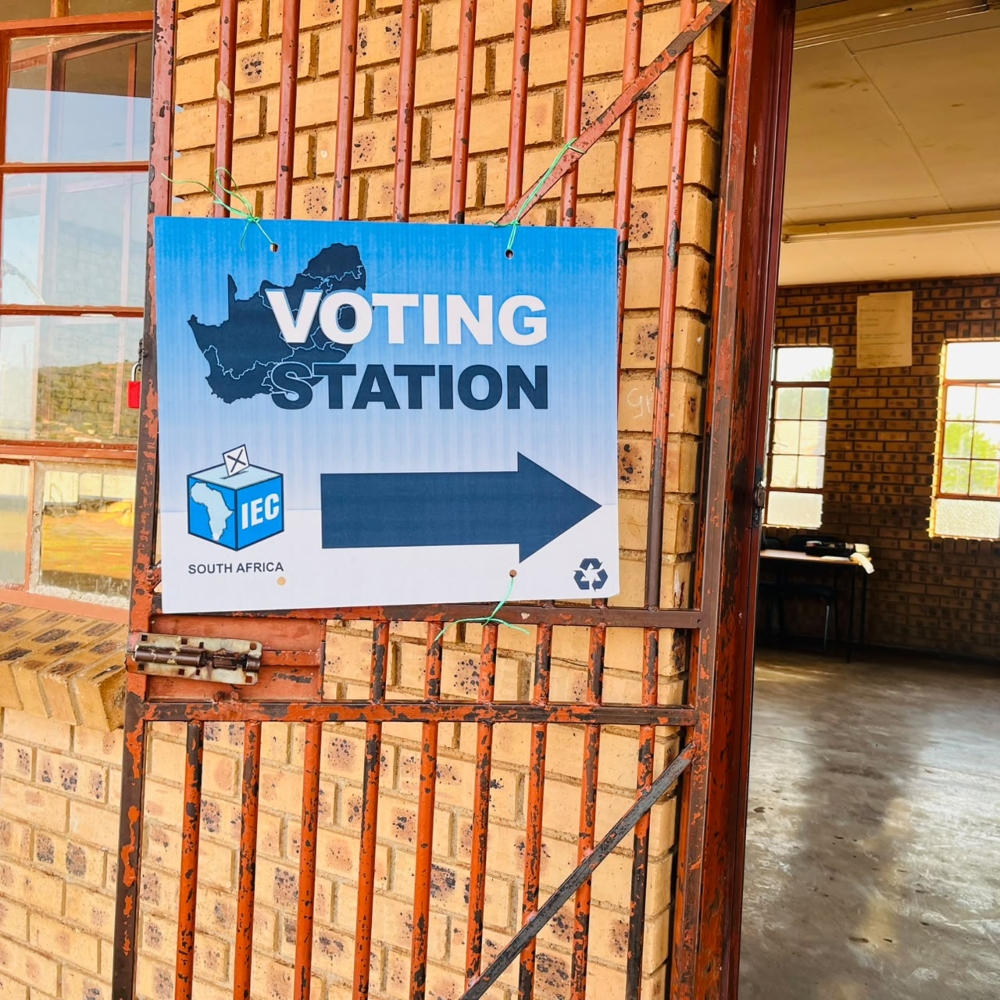
Mayoral candidates across Gauteng have raised concerns about political tolerance, the conduct of political party members, and the need to protect the integrity of the electoral process.
Mayoral candidates for various municipalities across Gauteng have shared their observations about the voting process after casting their ballots.
While some have raised concerns about political tolerance and alleged irregularities at voting stations, others are worried about what they describe as shorter voter queues, particularly in townships.
The Patriotic Alliance says political parties must respect the democratic process and allow voters to exercise their rights without interference.
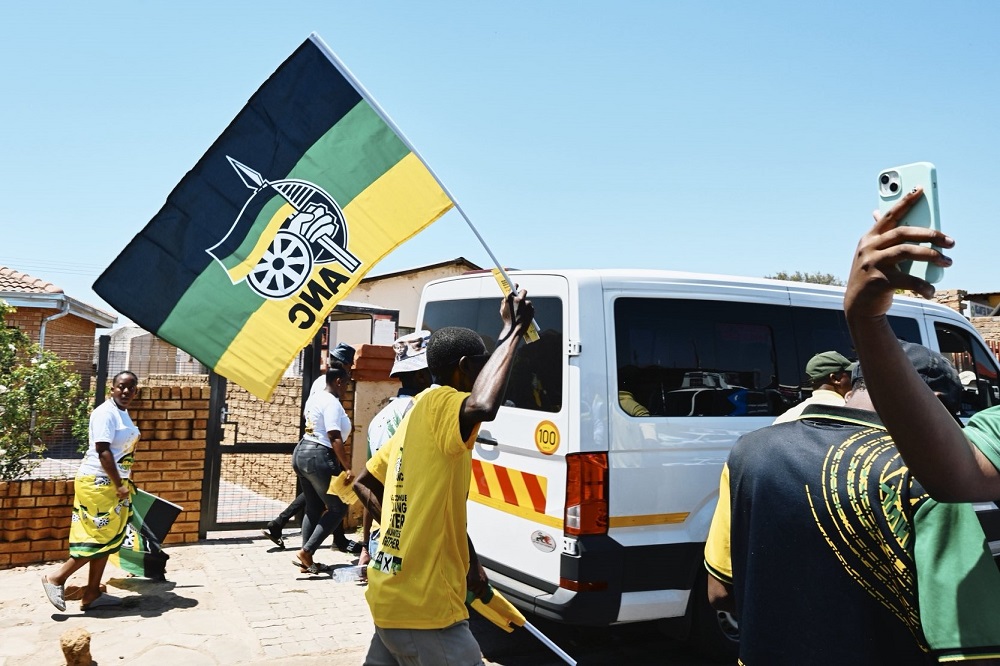
Patriotic Alliance deputy president & Johannesburg mayoral candidate Kenny Kunene says, “Look, we need to have political tolerance, but we have also seen incidents where some of the members and candidates of certain political parties are trying to steal ballots, trying to bring ballots that were not voted for in the voting stations. They must refrain from doing that. We must allow democracy to prevail, but most importantly, let’s have political tolerance, and I’m happy that the police are deployed in their numbers so that they mitigate any incidents of vandalism or incidents of ill manners.”
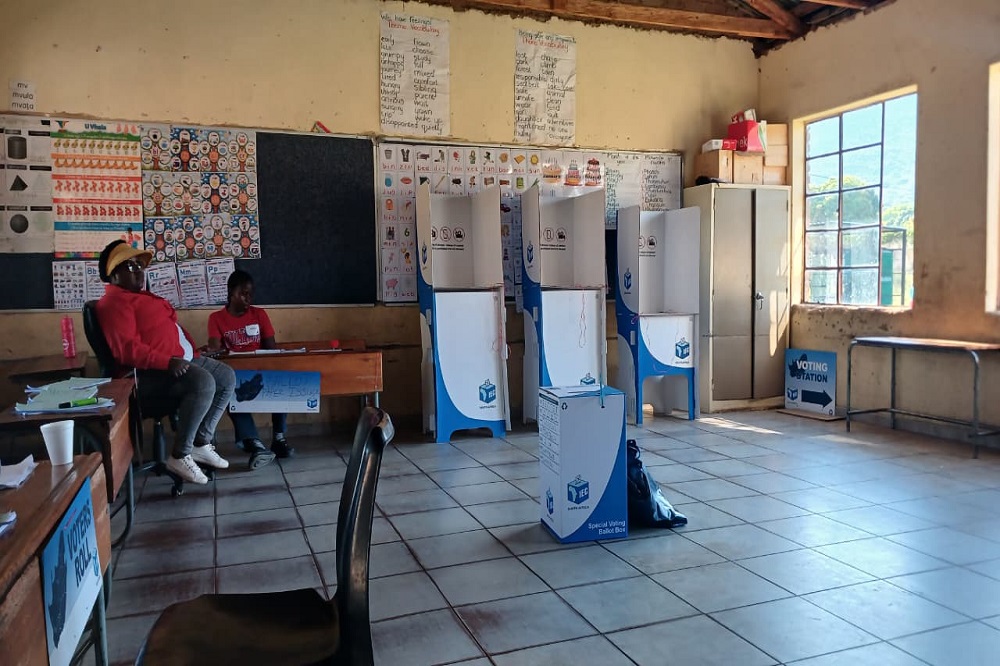
Concerns about the number of people who queued to vote have also emerged, particularly in the townships.
LGE 2026 | IEC works to curb issues of misinformation:
The IFP Tshwane mayoral candidate Ziyanda Zwane says some voting stations registered low participation and is worried this could affect the ability of communities to bring about change through local government.
“My observations so far with these elections, especially in the townships, are that people are not coming out. There are no queues, and obviously they are leaving it until late, when there will be no time for them. So, I’m not quite happy with that turnout of the people at the voting stations, which gives us doubt that these elections will be a game changer in terms of local government, because service delivery has collapsed over time. So we need our people to stand up and make sure that they choose the right people to represent them.”
EFF mayoral candidate Omphile Maotwe shared similar concerns about voter participation.
“People must not be disgruntled and say, ‘I’m staying home, and I’m not going to vote.’ “You are just prolonging your suffering. If you are not happy with who you voted for, change your vote. There are lots of political parties that are participating in this democratic project. And therefore, let’s come out in our numbers to come and vote, especially Black people. If you look at this queue where we are voting, it’s a very interesting demographic that you see. A lot of white people are voting in this section of Tshwane. And you can see they are out in their numbers to vote, and our people are disgruntled; they don’t want to come out because they are not happy with the service delivery that is rendered by the municipality.”
Meanwhile, ActionSA Ekurhuleni mayoral candidate Xolani Khumalo has commended the IEC for the way it handled the voting process.
He says eligible voters, particularly young people, should make use of the opportunity to choose the political leadership they want.
“I like the way the IEC conducted itself. They did all they were supposed to do. I would like to encourage everyone to go and vote because it is important for a person to go and vote. It is the only chance a person has to elect the government he or she wants to work for. So young people who have registered must go to their nearest voting stations. They must vote and support the political party of their choice.”
Mayoral candidates highlighted the importance of political tolerance and urged residents to use their democratic right to influence who leads their municipalities for the next five years.
LGE 2026 | A look at factors impacting elections with Terry Tselane: