
Local government is where democracy is felt, where it must deliver
author
The views expressed in this opinion article are those of the author and do not necessarily reflect the views of SABC News.
By Yolokazi Mfuto
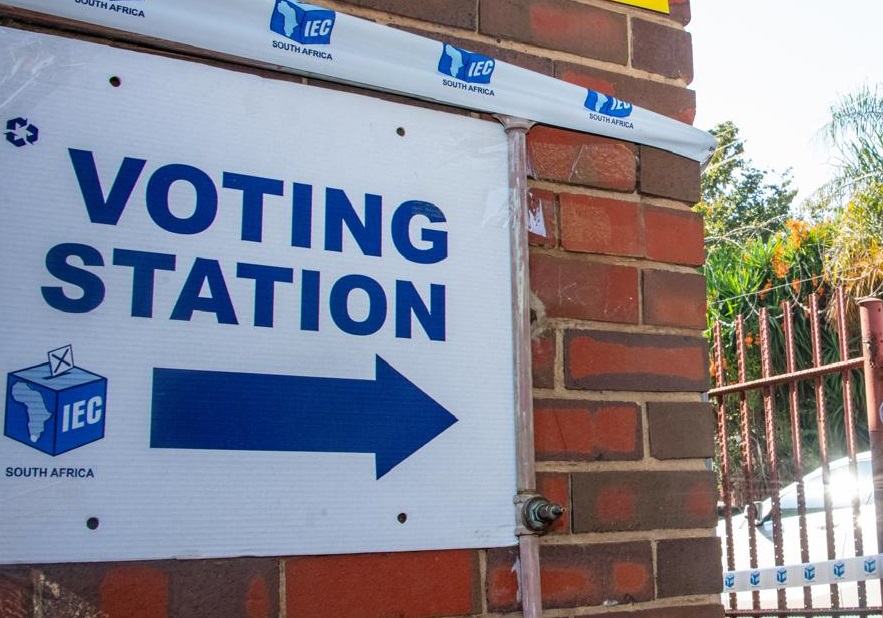
On 4 November 2026, South African will once again be asked to exercise one of democracy’s most important rights; the right to choose who governs them. It is easy to think of elections as a moment of listening to campaign promises, watch leaders compete for power and marking a ballot. But for most people, democracy is not an abstract idea, nor is it experienced only during an election campaign. It is experienced every morning when a tap runs dry, when electricity is interrupted, when refuse is left uncollected, when a road becomes impassable, or when a resident spends hours trying to look for alternatives of keeping themselves safe. Local government is where democracy becomes tangible. It is also where its promises are most tested.
A decade ago, the African National Congress (ANC) lost its outright majorities in several major municipalities, including Johannesburg, Tshwane and Nelson Mandela Bay1. Coalition government consequently became a defining feature of metropolitan politics. Ten years later, the question facing voters is not simply which party will win the most seats. It is whether the coalition era has made local government more accountable, representative and responsive or whether political competition has too often come at the expense of the people.
The stakes are particularly high in Gauteng’s three metropolitan municipalities. Johannesburg is the country’s economic powerhouse, yet its residents continue to confront deep inequalities in access to reliable basic services.2 The contrast between the wealth associated with Sandton and the conditions in many townships and informal settlements is a reminder that economic activity alone does not amount to inclusive development. Water interruptions, electricity failures, deteriorating infrastructure, waste-management problems and concerns about municipal financial and administrative capacity are not merely technical failures. They affect household budgets, public health, safety, livelihoods and the ability of small businesses to operate. Political instability compounds these problems when leadership changes disrupt priorities, weaken oversight and make it difficult to sustain long-term interventions. There is also a responsibility on citizens that does not end when the ballot is cast. Democracy requires participation before, during and after elections.
To conclude, democracy is simple: people should have a meaningful say in the decisions that shape their communities, and government should respond to their needs with competence, fairness and integrity. The measure of success on 4 November will not be the number of posters removed after the election, the speeches delivered on election night or the positions distributed in coalition negotiations. It will be whether, in the months and years that follow, residents experience safer neighborhoods, reliable water and electricity, cleaner streets, infrastructure development and ultimately a democracy that’s feeds and clothes them. Citizens deserve more than the opportunity to choose who governs them. They deserve a government that remembers, every day, whom it is there to serve.